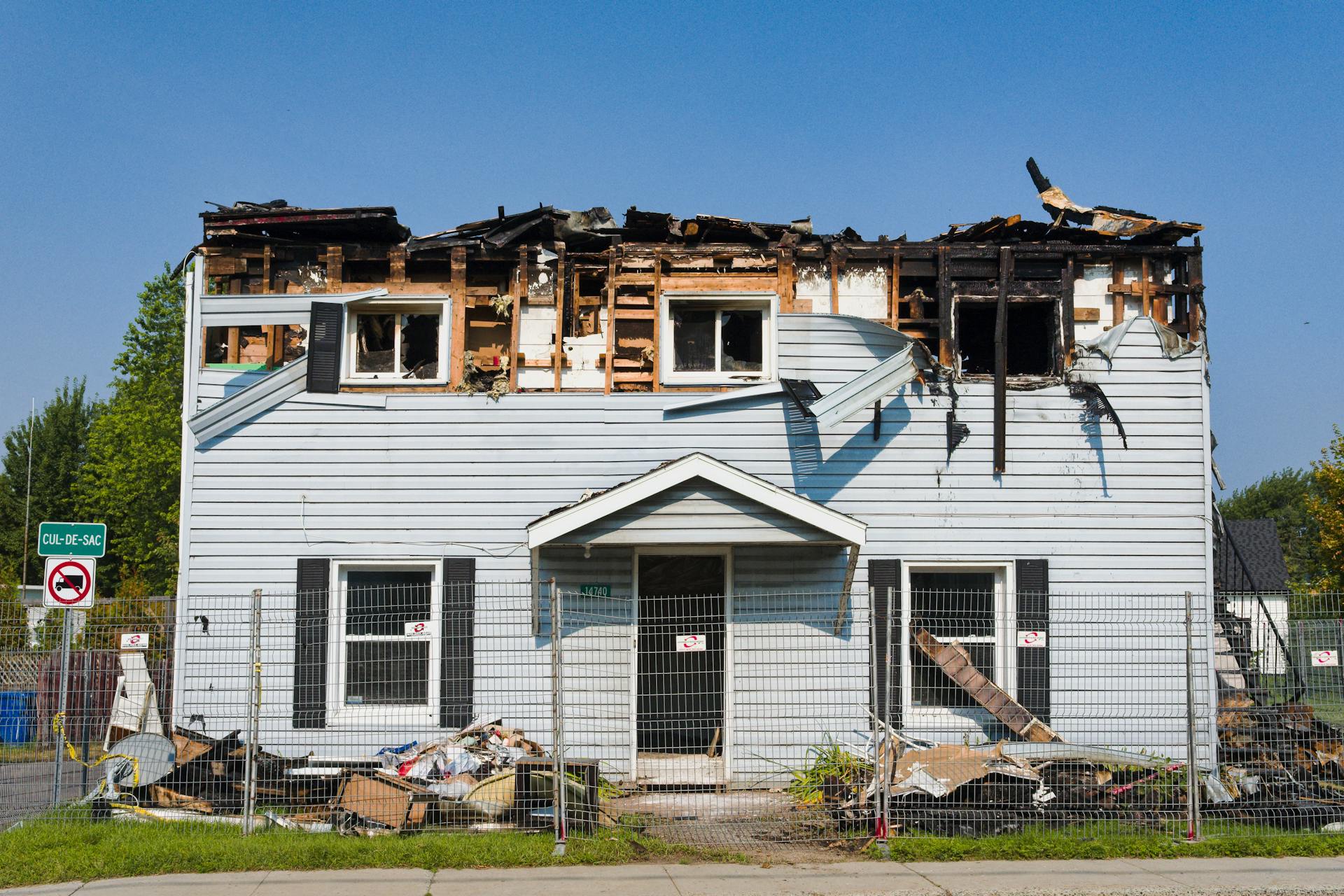
Buying or renovating a fire-damaged house can be an appealing opportunity for investors or homeowners looking for value. While traditional financing options such as mortgages or renovation loans may be available, lenders often impose strict requirements when dealing with properties that have sustained significant damage. This can make the process more complicated and time-consuming. Cash home buyers for fire losses often step in as a practical alternative, offering quicker solutions without the lengthy approval process. Exploring these financing paths carefully helps ensure you find the best approach for your situation. With proper planning, even fire-damaged homes can become profitable investments or restored living spaces.
Traditional Mortgages and Their Limitations
Most conventional lenders hesitate to approve mortgages for fire-damaged homes that are deemed uninhabitable. Since appraisals play a crucial role in mortgage approvals, a property with severe damage often fails to meet the lender’s minimum standards. Buyers planning to live in the home may struggle to secure standard financing unless the damage is minor and the property is still considered livable. In such cases, renovation loans or specialized financing become more practical alternatives.
FHA 203(k) Rehabilitation Loans
The FHA 203(k) loan is one of the most widely used financing options for properties with damage. Through this government-backed program, purchasers can use a single mortgage to pay for both the purchase and any necessary improvements. It can pay for cosmetic enhancements, safety improvements, and structural repairs for homes damaged by fire. The primary benefit is that it allows the price of renovations to be spread out over time, making the property more affordable for regular buyers as opposed to simply cash investors.
Hard Money Loans for Quick Purchases
 For investors and flippers who prioritize speed, hard money loans are a practical option. These short-term loans come from private lenders and are based more on the property’s value after repairs rather than its current state. While interest rates are higher, hard money loans allow buyers to move quickly on a deal, especially in competitive real estate markets. This financing option is well-suited for experienced buyers who plan to renovate and resell within a short timeframe.
Fannie Mae HomeStyle Renovation Loan
Another option is the Fannie Mae HomeStyle Renovation Loan, which also combines purchase and renovation expenses. Unlike the FHA 203(k), this loan offers more flexibility in terms of property types and renovation scope. It is particularly useful for buyers interested in customizing a fire-damaged house to their preferences while still meeting safety standards. The program requires detailed renovation plans, making it best suited for those prepared to work with contractors and inspectors from the start.
Personal Loans and Alternative Financing
Some buyers turn to personal loans, home equity loans, or even private financing from investors to cover renovation costs. While these methods may not offer as much capital as structured mortgage programs, they can bridge funding gaps for smaller repair projects. In cases where insurance payouts are involved, buyers may combine settlement funds with alternative financing to cover the full scope of repairs.
Financing a fire-damaged house requires exploring creative options beyond traditional mortgages. Programs like FHA 203(k) and Fannie Mae HomeStyle loans provide structured ways to fund both purchase and renovation, while hard money loans and personal financing cater to buyers seeking flexibility. Understanding these choices and matching them with the property’s condition and the buyer’s goals makes the process smoother and more achievable. With the right financing in place, a fire-damaged house can be transformed from a risky investment into a valuable property.